Guide to Picking the Best Fishing Rod for Every Fishing Style
Picking the ideal angling rod is important for any angler. Different fishing styles need specific factors, from rod design to substances and response. Recognizing these elements can greatly boost the angling journey. As anglers examine their possibilities, they must also handle frequent errors in the buying journey. The choices can be overwhelming, but knowing where to start creates a difference. What elements should be prioritized to ensure the best fit for every fishing adventure?
What Fishing Style Suits You Best?
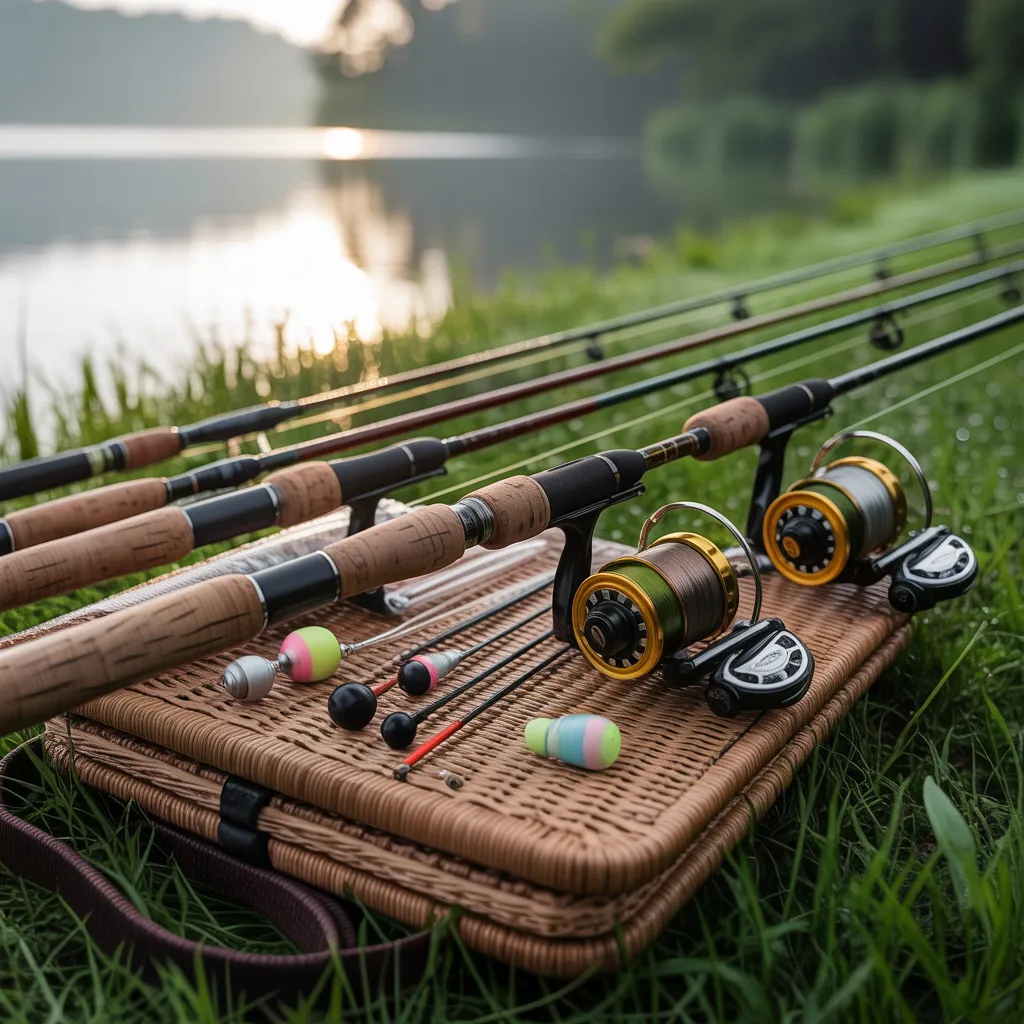
Selecting the right angling approach can greatly enhance the overall experience for any angler. Each style caters to different environments, target fish, and personal tastes. Understanding these nuances is crucial for selecting the most enjoyable approach. For example, freshwater fishing often involves techniques like fly fishing or baitcasting, ideal for targeting species like trout or bass. Conversely, saltwater fishing may involve deep-sea trolling or pier fishing, aimed at larger fish such as tuna or marlin.
Moreover, several anglers prefer the tranquility of shore fishing, while others thrive on the excitement of kayak fishing. Each style requires varied skills and equipment, making it vital to take into account one's interests and physical capabilities. By identifying a preferred fishing style, anglers can better align their rod selection and tackle choices, ultimately enhancing their fishing adventure and increasing the likelihood of a productive catch.
Primary Features for Different Angling Rod Methods
Grasping the essential components of different fishing rod types is vital for boosting angling results. Each fishing rod style is constructed with distinct properties that serve diverse angling techniques. For instance, spinning rods are generally lightweight and pliable, facilitating for smooth casting and direction, ideal for live bait or lures. In contrast, baitcasting rods offer greater exactness and power, making them fitting for catching larger fish.
Fly rods are characterized by their extended size and softer action, allowing precise presentations in delicate conditions. Trolling rods, on the other hand, are built for durability and strength to endure the strain of bigger fish while trolling at different depths.
To summarize, surf rods are designed for long-distance casting and rugged conditions, commonly featuring sturdy guides and a robust backbone. Recognizing these essential features supports fishermen pick the right fishing rod suited to their fishing style, elevating their general satisfaction on the water.
Ideal Fishing Rod Length and Action
Determining the right fishing rod action and length is essential for attaining ideal casting sensitivity and performance. Rod length commonly extends from 5 to 12 feet, with compact rods giving superior precision and control for methods such as finesse fishing. In contrast, lengthier rods offer enhanced casting span, positioning them appropriate for open waters.
Action means the rod’s flexibility and responsiveness. Fast action rods bend primarily at the tip, providing quick sensitivity and great hook-setting power, perfect for species like bass. Moderate action rods offer a balance, flexing more toward the middle and allowing for better bait presentation, effective for different conditions. Slow action rods, bending read about this throughout their length, are preferred for lighter lures and delicate presentations.
Ultimately, the combination of length and action should correspond with the angler's selected fishing style, target species, and personal preferences, ensuring peak performance on the water.
Superior Options for Fishing Rods
When selecting a rod for fishing, the choice of materials plays a vital role in performance. Carbon fiber and fiberglass each offer distinct benefits concerning durability, weight, and responsiveness. Knowing about these differences can help anglers choose a rod that best matches their approach to fishing and tastes.
Graphite vs. Fiberglass Choices
While both graphite and fiberglass have their advantages, choosing the right material for a fishing rod greatly impacts performance and user experience. Graphite rods are known for their sensitivity and lightweight nature, making them ideal for anglers who require quick responsiveness, particularly in finesse fishing techniques. Their stiffer construction allows for greater casting distance and precision. Conversely, fiberglass rods offer increased durability and flexibility, making them suitable for beginners and those targeting larger fish species. The slower action of fiberglass rods can absorb shock better, reducing the risk of breakage during intense fights. Ultimately, the choice between graphite and fiberglass depends on the angler's specific fishing style, preferences, and the conditions in which they fish.
Toughness and Weight Concerns
The selection of rod material affects not just sensitivity and casting but also plays a major role in durability and weight. Anglers often consider different materials, with graphite and fiberglass being the most common. Graphite rods are remarkably lightweight and offer high sensitivity, making them perfect for precise techniques. However, their fragility may present a risk in harsh conditions. In contrast, fiberglass rods are heavier while being highly durable, supplying a sturdy option for rough environments. Some makers combine materials to optimize both weight and strength, meeting the needs of a variety of fishing styles. Ultimately, achieving the right balance between durability and weight is essential for a comfortable and effective fishing experience, allowing anglers to relax and enjoy their time on the water without compromise.
Sensitivity and Action Types
Sensitivity represents a crucial aspect when selecting a fishing rod, since it directly impacts an angler's ability to detect faint bites and react efficiently. Substances like graphite and carbon fiber are known for their exceptional responsiveness, providing quick feedback from the line. However, fiberglass rods, although more resilient, frequently lack the same level of responsiveness.
Action types also play a important role; fast action rods offer heightened sensitivity and reactivity, making them ideal for quick hook sets. Medium and slow action rods deliver more flex, which helps with casting and handling bigger fish. At last, the decision regarding materials and action type should be consistent with the precise fishing style, securing top performance across various conditions.
How to Match Rod Power With Your Target Species
Determining the best rod power is critical for effectively catching specific fish species. Rod power, which describes the rod's strength to handle weight and stress, is classified into light, medium, and heavy groupings. For small species, such as panfish or trout, a light power rod provides the sensitivity vital for detecting subtle bites. Medium power rods are useful, appropriate for species like bass and walleye, mixing strength and sensitivity. Heavy power rods are excellent for larger, more aggressive fish, such as pike or saltwater species, where stronger strength is vital to handle their weight and fight. Aligning rod power to the target species assures effective hook sets and lowers the risk of breaking the line or losing the catch. By choosing the appropriate rod power, anglers can improve their fishing experience and increase their chances of success on the water.
Selecting the Right Reels and Lines for Your Fishing Rod
Selecting the right fishing rod, determining the suitable reel and line is crucial for peak performance. Comprehending different reel types and their functionalities assists anglers make informed decisions, while correct line selection ensures compatibility with the rod specifications. This section will explore these key elements to improve the fishing experience.
Reel Types Examined
Choosing the correct reel is necessary for increasing fishing success and enhancing the overall experience. There are three main types of reels: spinning, baitcasting, and spincasting. Spinning reels are versatile and adaptable, making them great for beginners and varied fishing styles. With better accuracy and control, baitcasting reels are perfect for experienced anglers who target larger species. With their enclosed design, spincasting reels deliver user-friendliness and are great for those new to fishing. Every reel type comes with unique advantages tailored to various techniques and preferences. Knowing these differences helps anglers adapt their reel choice to their fishing style, leading to a more enjoyable and successful day on the water.
Line Option Reference
A fishing line that is well-matched can markedly improve the functionality of a fishing rod and reel setup. Selecting the ideal line involves assessing its composition, diameter, and strength. Monofilament lines are versatile and simple, making them ideal for beginners. Braided lines provide greater sensitivity and strength, perfect for targeting larger species. Fluorocarbon lines, nearly invisible underwater, are effective in clear waters and are frequently used for finesse techniques.
In relation to gauge, slighter strands grant longer casts but could compromise power. It's vital to coordinate the line's strength rating to the rod's specifications to forestall rupture. Ultimately, the decided line should enhance the angling preference and environment, ensuring an effective and enjoyable fishing experience.
Choose Rod Characteristics
Matching rod specifications is crucial for optimizing fishing performance. The choice of reel and line must match the rod's features, such as power, action, and length. For instance, a lightweight rod typically pairs well with a spinning reel and a monofilament line, improving sensitivity and ease of use. Conversely, a heavy-duty rod demands a sturdy baitcasting reel and braided line to handle larger fish effectively. Line diameter should align with the rod's specifications; thinner lines provide better casting distance, while thicker lines provide added strength. Additionally, the gear ratio of the reel should match the intended fishing style, whether targeting quick strikes or slow retrieves. Careful consideration of these factors ensures a balanced setup that optimizes fishing success.
Common Fishing Rod Buying Errors
What methods help anglers avoid costly errors when buying a fishing rod? Many anglers encounter typical pitfalls that can lead to disappointment with their choice. One key error is not considering the particular fishing technique. A rod made for bass fishing may not suit fly fishing or surf casting. Additionally, anglers often overlook the significance of aligning the rod's strength and performance to their method and intended catch.
Another common mistake is prioritizing price over performance. While budget-friendly options are appealing, investing in a dependable rod can improve the angling adventure. Furthermore, failing to test the rod before buying can lead to pain or poor performance during fishing. Finally, failing to seek expert advice or reviews can keep anglers unaware. By being mindful of these pitfalls, anglers can make informed decisions and pick a rod that enhances their fishing adventures.
Often Requested Information
How Can I Maintain My Fishing Rod in Proper Condition?
Caring for a fishing rod requires frequent cleaning, looking for damage, verifying guides are clear of debris, and storing it in a dry, cool location. Routine inspections maximize longevity and performance during fishing adventures.
How Can You Best Store Your Fishing Rods?
The superior method to position fishing rods is upright in a rod rack, making certain they are stable and not under weight. In addition, keeping them in a temperature-controlled dry setting enables maintain their integrity and effectiveness.
How Regularly Do I Need to Replace My Fishing Rod?
Fishing tackle should be replaced every few years or earlier if impaired. Consistent examinations for tear, guides, and reel seats are essential. Anglers need to prioritize performance; a compromised rod can affect fishing success considerably.
Can I Utilize One Rod for Multiple Fishing Styles?
Yes, a single pole can be applied to multiple fishing styles, provided it has the appropriate features. Flexible rods can work with different approaches, but performance may fluctuate, so recognizing particular demands is important for maximum success.
Which Specific Manufacturers Are Famous for Top-Notch Fishing Equipment?
Several manufacturers are recognized for their excellent fishing rods, including Shimano, Penn, and St. Croix. Each brand offers a selection of options suited to different fishing styles, ensuring anglers get dependable equipment for their needs.